
 English
  繁体中文
繁体中文  Spanish
  Hungarian
  Serbian
  Slovak
  Slovenian
  Romanian
  Dutch
Dutch  Russian
  Bulgarian
  Кыргызча
  O'zbekcha
 Why Dual Heat Sources Require Better Thermal Management
Hybrid heating projects increasingly combine different heat sources to balance energy availability, heating demand, operating cost, and seasonal performance. A heat pump may provide efficient low-temperature heating, while a boiler or another heat source can supplement capacity when demand rises. Without suitable thermal storage, these sources can experience frequent starts and stops, uneven heat delivery, or inefficient coordination.
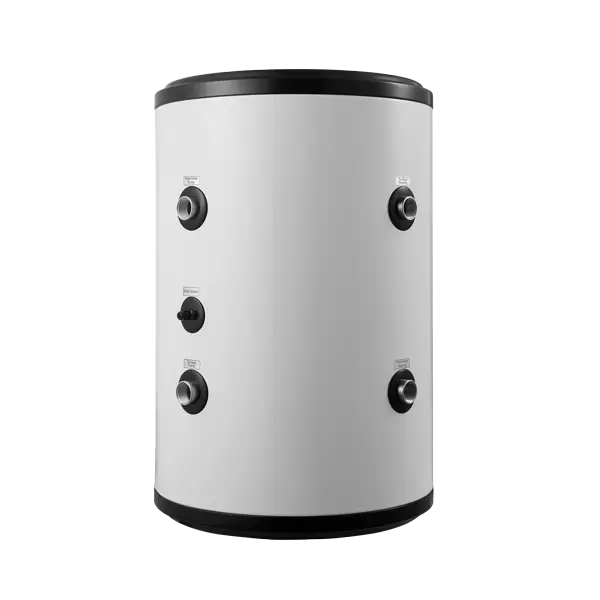
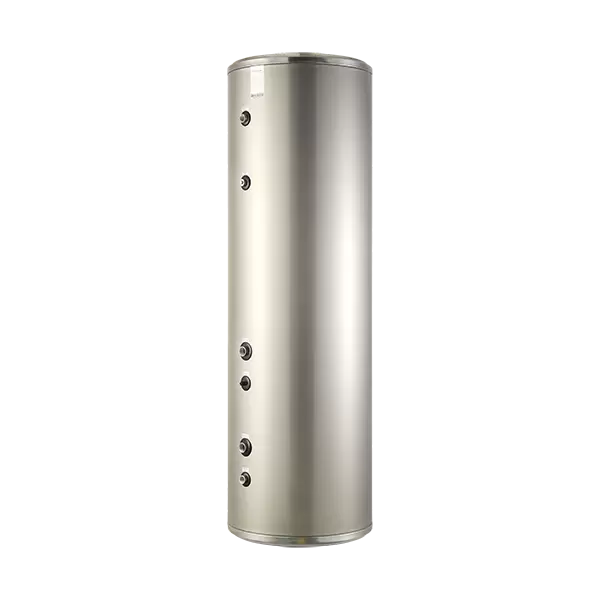
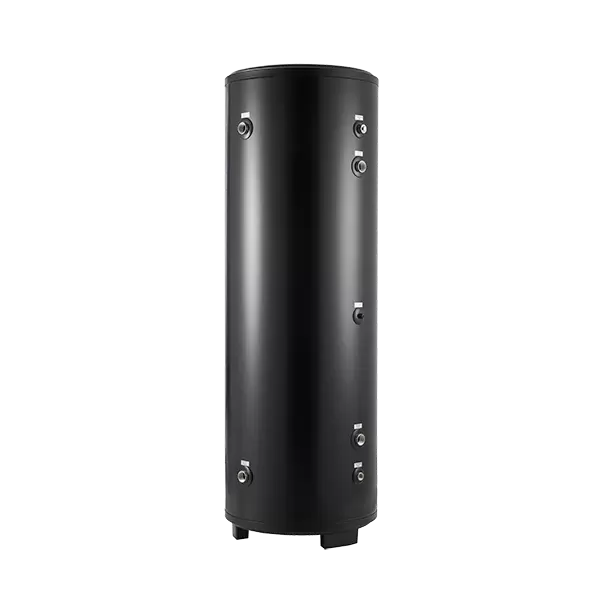
A multifunction water tank provides a practical way to manage this interaction by storing heated water and making thermal energy available when it is needed. Instead of relying on one source to respond immediately to every change in demand, the tank creates a thermal reserve that helps separate heat generation from heat consumption. This approach is particularly useful for residential heating, commercial hot water, hydronic heating, and projects combining conventional and renewable energy.
For engineering teams, the value of a dual heat source tank is not simply its storage capacity. Its importance lies in heat source compatibility, stable water circulation, connection flexibility, temperature management, and reliable fabrication. These factors determine how effectively the tank can operate as part of a hybrid heating installation.
How a Multifunction Water Tank Supports Hybrid Heating
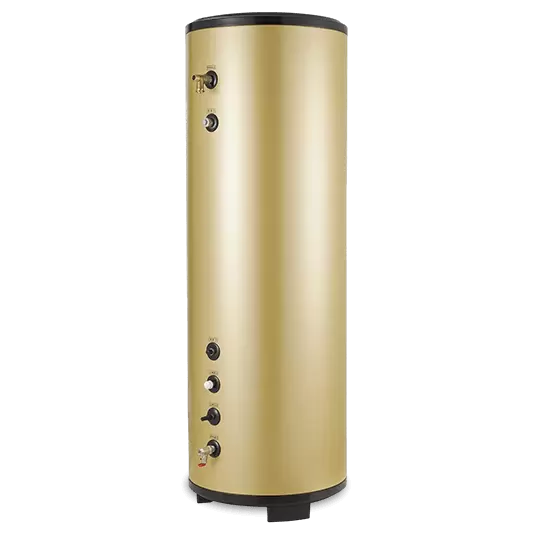
A multifunction water tank can receive heat from two different sources and distribute stored thermal energy according to the requirements of the connected heating circuit. Depending on the project configuration, one source may operate as the primary heat generator while another provides supplementary heating during periods of higher demand.
The stored water acts as a thermal buffer between generation and consumption. When heat production temporarily exceeds demand, surplus energy can be transferred into the tank. When demand increases, the stored energy can then be released to the heating circuit. This reduces the need for heat sources to react continuously to short-term fluctuations.
The concept is especially valuable where heat pumps, boilers, solar-assisted heating, or other heat sources need to work together. A properly configured hybrid thermal storage vessel can help maintain more consistent supply temperatures while giving engineers greater flexibility when designing the heating circuit.
Key Functions for Different Heating Requirements
| Function | Practical value |
|---|---|
| Dual heat source connection | Allows two heat generators to work within one heating arrangement |
| Thermal energy storage | Stores surplus heat for later use |
| Buffering | Helps reduce rapid cycling caused by changing demand |
| DHW support | Provides stored hot water for domestic applications |
| Temperature management | Helps maintain a more stable heating supply |
| Flexible connections | Supports different project piping configurations |
This multifunctional approach allows one tank to serve several thermal management roles rather than being limited to a single heating application.
Combining Heat Pumps and Boilers More Efficiently
One important application is the combination of a heat pump with a boiler. Heat pumps can provide efficient heating under suitable operating conditions, but heating demand and outdoor conditions can change considerably. A secondary boiler can provide additional heat when the required output exceeds the available heat pump capacity.
A multifunction water tank for heat pump and boiler heating creates a shared thermal storage point between these heat sources and the demand side. The heat pump can charge the stored water during efficient operating periods, while the boiler can supplement the stored heat when additional capacity is required.
This arrangement also provides greater flexibility in temperature management. Rather than requiring every heat source to operate continuously at the same output level, stored hot water can absorb differences between heat generation and actual consumption. The result is a more controllable heating arrangement for projects with variable thermal loads.
Thermal Storage for Domestic Hot Water and Hydronic Heating
Domestic hot water applications require stable heating performance as demand can change rapidly throughout the day. Commercial buildings, residential properties, and other facilities may experience significant differences between periods of low consumption and peak hot water demand.
A DHW storage tank can reserve heated water so that hot water is available when demand increases. When combined with a secondary heat source, the stored energy can also help compensate for temporary increases in consumption without requiring the primary heat source to immediately deliver its maximum output.
For hydronic heating, the same principle applies in a different way. The tank can act as a buffer between the heat generation side and the circulation side, helping maintain a more stable water temperature and flow pattern. This makes a multifunction tank suitable for projects where domestic hot water and hydronic heating requirements need to be considered together.
High Temperature Sterilization and Clean Water Management
Temperature management is another important consideration for hot water applications. The multifunction tank developed by Legend supports high-temperature sterilization at up to 75°C, providing a useful thermal treatment function for applications where hygienic hot water management is required.
High-temperature operation must be considered together with tank construction, welding quality, sealing performance, connection design, and the requirements of the overall heating installation. Simply increasing water temperature is not enough; the tank must maintain reliable performance throughout repeated heating cycles.
For this reason, stainless steel fabrication and controlled welding processes are important parts of tank production. Consistent welding around water nozzle connections helps reduce potential leakage points and supports long-term service reliability in hot water and heating applications.
Stainless Steel Fabrication Matters for Tank Reliability
The quality of the tank body is only one part of overall product performance. Connection points are particularly important because they experience mechanical stress, thermal expansion, water pressure, and repeated temperature changes during operation.
Legend uses fully automatic water nozzle welding lines for stainless steel tank fabrication. Automated welding helps maintain consistent weld formation across connection points and reduces variations that can occur during manual fabrication.
A controlled manufacturing process is especially valuable for tanks used in refrigeration water storage, domestic hot water storage, and hydronic heating. Reliable joints contribute to better sealing performance and help reduce leakage risks over the service life of the installation.
Flexible Configuration for Different Engineering Projects
Not every heating project has the same heat sources, piping arrangement, installation space, or thermal demand. A fixed tank configuration can therefore create unnecessary design limitations. Flexible connection arrangements and size customization give engineering teams more freedom to adapt the tank to the actual project requirements.
Legend's multifunction tank is designed for flexible size customization and dual heat source connection, allowing it to be incorporated into different heating layouts. This is particularly useful for custom engineering projects where the tank must be coordinated with existing boilers, heat pumps, circulation pumps, heat exchangers, or domestic hot water circuits.
The objective is not simply to make one tank suitable for every application. Instead, customization allows the storage vessel to be matched more closely with the project's heating capacity, installation conditions, water requirements, and connection strategy.
Where a Hybrid Thermal Storage Vessel Fits
A hybrid thermal storage vessel can serve different roles depending on the architecture of the heating installation. Its application can extend from residential hot water and heating to commercial energy projects and renewable-energy-assisted heating.
Residential hybrid heating can use stored thermal energy to balance heat pump and auxiliary heating capacity. Commercial projects may require greater thermal buffering because hot water and heating loads can vary significantly during operating hours. New energy projects can use thermal storage to make better use of heat produced during favorable operating periods.
For engineering contractors, equipment suppliers, and project developers, this versatility makes a multifunction tank useful when a single installation needs to accommodate several heating functions without relying on separate storage vessels for every thermal circuit.
Why Legend Focuses on Controlled Manufacturing
Thermal storage performance depends on more than tank volume or connection quantity. Fabrication consistency, weld quality, sealing, material selection, and dimensional accuracy all influence how reliably a tank performs after installation.
Legend combines stainless steel tank fabrication with automated nozzle welding to provide consistent manufacturing quality across key connection areas. The production approach is intended to support applications where leak resistance, stable thermal storage, and dependable hot water delivery are essential.
As a factory direct storage tank supplier, Legend can also support customized requirements for different project configurations. This is particularly relevant for overseas engineering companies and distributors that need storage tanks adapted to specific heating layouts rather than standardized off-the-shelf equipment.
Selecting the Right Tank for a Hybrid Heating Project
When selecting a multifunction tank, project engineers should evaluate the complete heating arrangement rather than considering storage volume alone. The number and type of heat sources, required operating temperatures, expected hot water demand, connection arrangement, installation space, and intended application all affect the appropriate tank configuration.
The following factors are useful during technical evaluation:
Heat source type and combined heating capacity
Required storage and buffering function
Domestic hot water or hydronic heating requirements
Operating and sterilization temperature requirements
Number and position of water connections
Available installation space
Required tank dimensions and customization
Stainless steel fabrication and welding quality
Expected operating conditions and maintenance requirements
A clear assessment of these factors can help avoid mismatched tank configurations and improve coordination between the storage vessel and the connected heating equipment.
FAQ
What is a multifunction water tank?
A multifunction water tank is a thermal storage vessel designed to perform more than one heating-related function. It can support heat storage, buffering, domestic hot water, and connection to multiple heat sources depending on its configuration.
Can a multifunction tank connect two heat sources?
Yes. A properly configured dual heat source tank can connect two heat generators, such as a heat pump and boiler, allowing stored thermal energy to support coordinated hybrid heating.
Can it be used with heat pumps?
Yes. A multifunction tank can serve as a buffer or thermal storage vessel for heat pump applications. It can also work with an auxiliary heat source when additional heating capacity is required.
Is the tank suitable for domestic hot water?
It can be configured for domestic hot water storage and related heating applications. The required configuration should be selected according to the project's temperature, capacity, connection, and hygiene requirements.
Can Legend customize the tank?
Legend supports flexible size customization and configurations for different heating projects. Project-specific requirements can be evaluated according to the intended heat sources, application, installation conditions, and connection arrangement.
What makes automatic nozzle welding important?
Automatic nozzle welding helps maintain consistent weld quality around water connections. This supports sealing performance and reduces potential leakage risks in tanks used for hot water, refrigeration, and hydronic heating applications.