
 English
 繁体中文
 Spanish
 Hungarian
 Serbian
 Slovak
 Slovenian
 Romanian
 Dutch
 Russian
 Bulgarian
 Кыргызча
 O'zbekcha
Why Heat Pump Short Cycling Occurs
Heat pump short cycling happens when a heat pump starts and stops more frequently than intended, often because the available water volume is insufficient to absorb changes in heating or cooling demand. When the water circuit reaches its target temperature too quickly, the heat pump may shut down before completing a suitable operating cycle. Repeated starts can increase compressor stress, cause temperature fluctuations, and reduce overall operating efficiency.
Several factors can contribute to this problem, including oversized heating equipment, low water volume, restricted circulation, and changing demand from individual heating zones. In hydronic heating applications, the relationship between heat pump output and the volume of circulating water is particularly important. A properly selected stainless steel buffer tank adds water capacity, helping the heat pump operate for longer periods before reaching its temperature limits.
How Stainless Steel Buffer Tank Stabilizes Heat Pump Operation
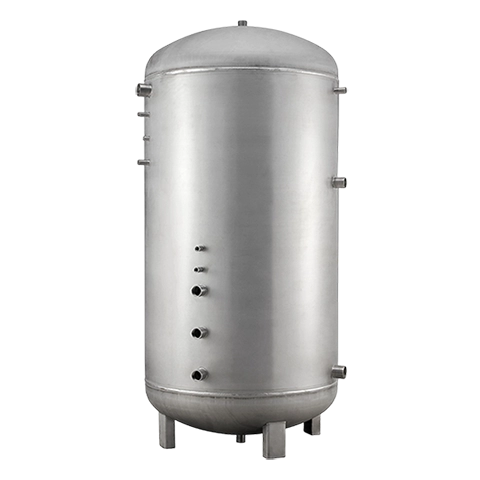
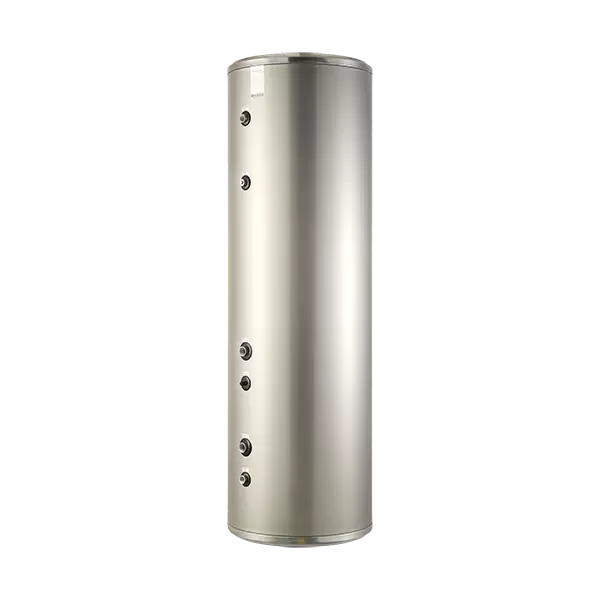
A stainless steel buffer tank provides additional water volume between the heat pump and the connected heating or cooling circuit. This extra volume absorbs thermal energy during operation and releases it as the water demand changes. By reducing rapid temperature fluctuations, the tank can help prevent the heat pump from reaching its shutdown threshold too quickly.
The buffer tank also supports more stable water circulation when the connected heating zones have different flow requirements. When some zones close or their demand decreases, the additional water volume can help maintain suitable operating conditions, provided the tank is correctly integrated into the hydraulic arrangement. This makes a buffer tank particularly useful in installations where variable demand would otherwise contribute to frequent compressor starts.
Key Design Factors for Preventing Short Cycling
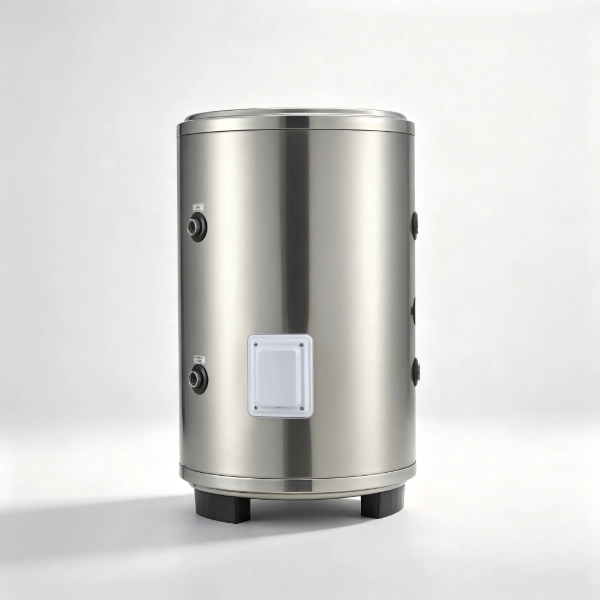
Selecting a suitable tank involves more than choosing a capacity based on the size of the heat pump. The required water volume depends on the heat pump's minimum output, the operating temperature range, the available water volume in the connected pipework, and the expected heating or cooling load. A correctly sized stainless steel buffer tank for heat pump applications should complement these factors rather than compensate for an incorrectly designed installation.
Selection factor | Why it matters |
|---|---|
Buffer tank capacity | Provides additional water volume to moderate temperature changes |
Heat pump output | Determines how quickly the water temperature may change |
Operating temperature differential | Influences the amount of thermal energy that can be stored |
Water flow rate | Affects heat transfer and temperature distribution |
Pipework and zone configuration | Influences circulation and the likelihood of short cycling |
Insulation quality | Helps limit unwanted heat loss during operation |
The tank's internal arrangement and connection points should also match the intended application. Poor hydraulic design, inadequate flow, or incorrectly positioned sensors can undermine the benefits of additional water capacity. For this reason, tank selection should be coordinated with the heat pump manufacturer's minimum water-volume and flow-rate requirements.
Why Stainless Steel Is Suitable for Buffer Tank Applications
Material selection affects corrosion resistance, service life, maintenance requirements, and suitability for different water conditions. A stainless steel buffer tank offers a durable vessel option for hydronic heating and cooling applications, with material grades available for different operating environments. Legend offers stainless steel options including SUS304, SUS316L, and Duplex 2205, allowing buyers to consider material requirements alongside project conditions.
SUS304 is commonly selected for general water-related applications where its corrosion resistance is appropriate. SUS316L may be considered when improved resistance to certain corrosive conditions is required, while Duplex 2205 can be suitable for more demanding environments when its properties align with the application. The final choice should account for water chemistry, temperature, cleaning requirements, and the manufacturer's material specifications rather than relying on grade alone.
Insulation and Temperature Stability
Thermal insulation helps reduce heat transfer between the stored water and the surrounding environment. In heating applications, effective insulation can limit standby heat loss and help the buffer tank retain useful thermal energy between periods of heat pump operation. This supports overall energy management, although the actual savings depend on insulation quality, ambient conditions, water temperature, and operating patterns.
Insulation does not independently prevent short cycling. Its role is to reduce unnecessary heat loss, while the tank's water volume and the hydraulic design influence how quickly the heat pump reaches its operating limits. A well-insulated tank with unsuitable capacity may still fail to address frequent starts, so both factors must be evaluated during equipment selection.
Choosing the Right Buffer Tank for Heating and Cooling
A suitable buffer tank should be selected according to the intended application, required water volume, installation space, and operating conditions. Residential heat pumps may require a different configuration from commercial heating equipment or industrial cooling installations. Buyers should also confirm the maximum working pressure, permissible operating temperature, insulation arrangement, connection configuration, and applicable installation requirements before placing an order.
Legend provides buffer tank capacity options from 60L to 2000L, with different stainless steel materials and installation configurations available. This range gives contractors, equipment manufacturers, and project buyers flexibility when specifying a custom stainless steel buffer tank. However, the appropriate capacity must be established through heat pump specifications and hydraulic calculations rather than selecting the largest available tank by default.
Installation and Maintenance Considerations
Correct installation is essential to achieving the intended performance benefits. The tank should be connected according to the heat pump manufacturer's hydraulic recommendations, with attention to circulation, sensor placement, air removal, and the function of each connection. Where the installation includes multiple heating zones or separate circulation pumps, the design should ensure that the required flow conditions are maintained during changes in demand.
Routine maintenance should include checking for leakage, inspecting insulation and external connections, and verifying that the heating circuit maintains the required pressure and flow. If short cycling continues after installation, the cause may involve control settings, sensor placement, equipment sizing, restricted circulation, or insufficient water volume elsewhere in the circuit. A buffer tank is a useful design measure, but it should form part of a complete assessment of the heat pump installation.
FAQ
Can a stainless steel buffer tank prevent heat pump short cycling?
A properly sized and correctly connected buffer tank can help reduce short cycling by increasing the available water volume and moderating temperature changes. However, it cannot resolve every cause of frequent starts, particularly control faults, incorrect equipment sizing, or inadequate circulation.
How do I calculate the required buffer tank capacity?
Capacity should be determined using the heat pump's minimum heating or cooling output, the required minimum operating time, the allowable water temperature differential, and the existing water volume. The manufacturer's minimum-volume and flow-rate requirements should take priority over generic sizing rules.
Is SUS304 or SUS316L better for a buffer tank?
Neither grade is universally better. SUS304 may suit general applications, while SUS316L offers improved resistance to certain corrosive environments. Water chemistry and operating conditions should guide the selection.
Does a larger buffer tank always improve efficiency?
No. An oversized tank can increase purchase costs, installation space, and standby heat loss. The objective is to provide sufficient water volume for stable heat pump operation without unnecessary storage capacity.
What should buyers look for in a buffer tank manufacturer?
Buyers should evaluate material traceability, welding quality, pressure and leakage testing, insulation performance, customization capabilities, and technical support. For OEM projects, the manufacturer's ability to meet specified capacity, connection, and material requirements is also important.
For heat pump installations affected by frequent starts and unstable water temperatures, a correctly specified stainless steel buffer tank can provide a practical way to improve operating stability. Legend offers a range of buffer tank capacities and material options to support residential, commercial, and industrial heating and cooling applications