
 English
  繁体中文
繁体中文  Spanish
  Hungarian
  Serbian
  Slovak
  Slovenian
  Romanian
  Dutch
Dutch  Russian
  Bulgarian
  Кыргызча
  O'zbekcha
 Managing Thermal Load Changes With a Buffer Tank
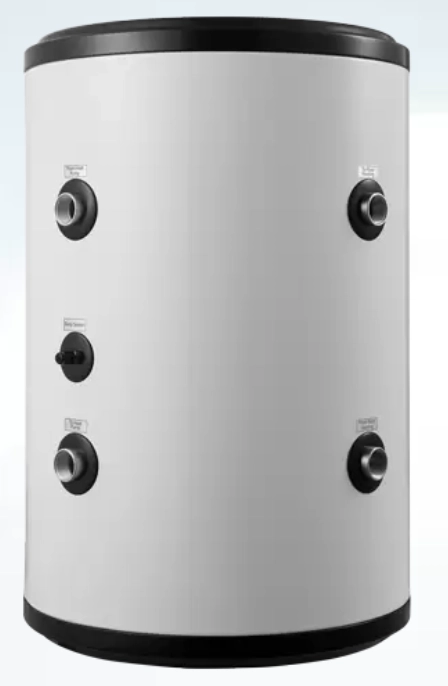
HVAC applications often experience changing heating and cooling demands throughout daily operation. Rapid changes in thermal load can cause frequent equipment cycling, unstable water temperature, and uneven heat distribution. A thermal buffer tank adds a controlled volume of water to the heating or cooling circuit, helping absorb fluctuations and maintain more consistent operating conditions. This makes buffer storage particularly valuable for heat pump, HVAC, heating, cooling, and refrigeration applications where demand does not remain constant.
By increasing available water volume, a thermal storage tank gives connected equipment more time to respond to changing demand. Instead of reacting immediately to every short-term temperature variation, the connected heating or cooling equipment can operate within a more stable operating range. This approach can help improve temperature control, reduce unnecessary cycling, and support smoother heat transfer across different application requirements.
How Thermal Storage Supports Heat Pump Operation
Heat pumps can be affected by rapid changes in water demand, especially when the available water volume is limited. A heat pump buffer tank provides additional thermal capacity between the heat source and the end-use circuit. The stored water can absorb excess heating or cooling energy and release it when demand changes, helping maintain a more balanced flow and temperature.
For heating applications, this additional capacity can support more stable hot water circulation and reduce the impact of fluctuating loads. In cooling applications, a cooling buffer tank can provide additional chilled-water volume, helping maintain temperature consistency when cooling demand changes. These characteristics make thermal buffer storage suitable for both residential and commercial HVAC installations as well as larger heating and cooling applications.
Choosing Stainless Steel for Long-Term Performance
Material selection plays an important role when a buffer tank is expected to operate under demanding temperature and pressure conditions. Legend offers SS304 buffer tank, SS316 buffer tank, and Duplex 2205 buffer tank options to accommodate different water quality, corrosion resistance, and project requirements.
SS304 provides a practical choice for many conventional heating and hot water applications, while SS316 offers enhanced corrosion resistance for more demanding environments. Duplex 2205 combines high mechanical strength with strong corrosion resistance, making it suitable when durability is a major consideration. Selecting the appropriate stainless steel grade allows engineers and purchasers to match tank construction with the operating environment rather than relying on a single material for every application.
| Material | Typical Advantage | Suitable Application Direction |
|---|---|---|
| SS304 | Balanced durability and corrosion resistance | Heating and hot water |
| SS316 | Enhanced corrosion resistance | Demanding water conditions |
| Duplex 2205 | High strength and corrosion resistance | Heavy-duty applications |
Flexible Configurations for Heating and Cooling
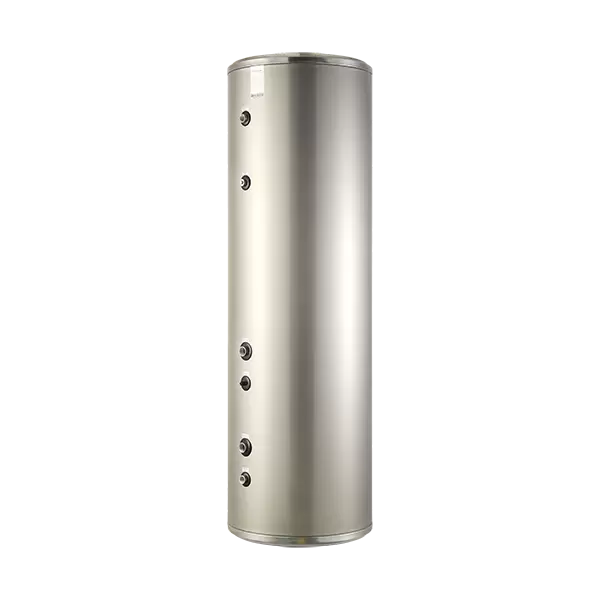
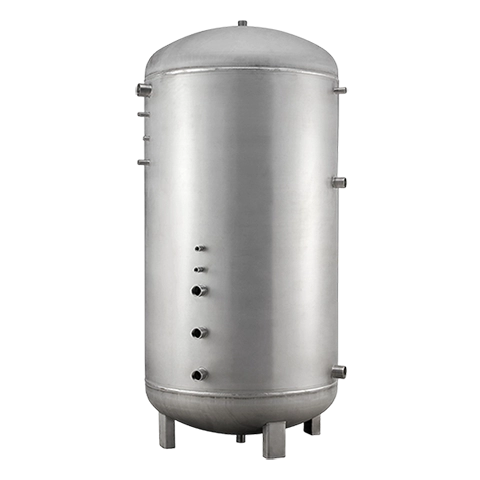
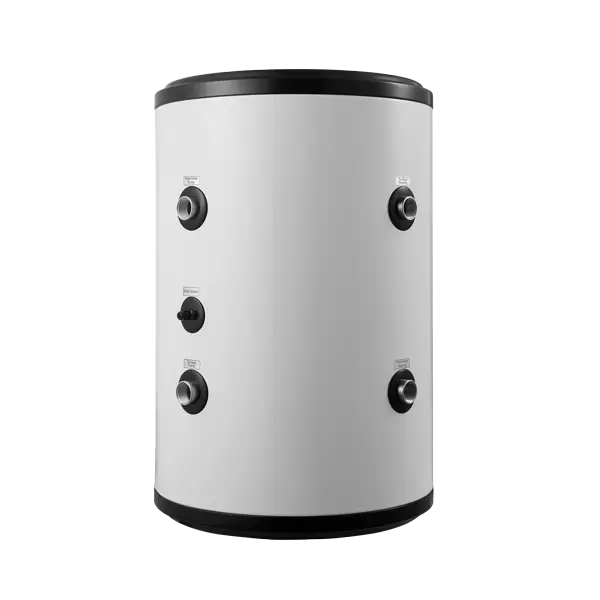
Different installation environments require different tank arrangements. A vertical floor-standing buffer tank provides a practical solution where sufficient floor space is available, while a space-saving hanging configuration can help address installation areas with limited floor capacity. This structural flexibility allows engineers to consider available space, connection layout, maintenance access, and overall installation requirements during project planning.
Legend also provides coil-free construction designed to deliver practical thermal storage performance while reducing unnecessary structural complexity. This configuration can contribute to a more cost-conscious purchasing strategy without sacrificing the core function of water volume management. For projects requiring additional heat exchange functions, customized internal configurations can also be considered according to application requirements.
Applications Across HVAC and Refrigeration
A thermal buffer tank can serve multiple purposes beyond conventional heating. In industrial refrigeration, additional water volume can help accommodate changes in cooling demand and maintain more stable operating conditions. A refrigeration buffer tank can therefore be integrated into applications where thermal fluctuations need to be controlled without relying solely on immediate equipment response.
The same principle applies to chilled-water HVAC applications, commercial heating, and sanitary hot water. Legend supplies buffer storage solutions for heat pumps, cooling circuits, refrigeration applications, industrial refrigeration water storage, and hygienic hot water applications. European buyers may also encounter the term Buffervaten when searching for thermal storage products, making terminology coverage important for international product discovery.
Energy Efficiency and Sustainable Thermal Storage
Thermal storage can also contribute to more efficient operation by helping connected equipment avoid unnecessary short cycling and excessive starts and stops. Legend uses fluorine-free insulation materials to reduce heat loss from stored water while supporting lower energy consumption during operation. Better insulation performance is particularly important when tanks are used for extended periods of heating or cooling.
Sustainability also extends beyond insulation. Durable stainless steel construction can support long service life, while flexible material choices allow the tank to be specified according to actual operating conditions. Legend combines manufacturing experience with personalized technical support to provide thermal storage solutions that address durability, efficiency, installation, and long-term operating requirements.
Selecting the Right Thermal Buffer Solution
Choosing a buffer tank should involve more than comparing nominal capacity. Engineers should consider the heat source, required water volume, temperature range, working pressure, connection requirements, installation position, material compatibility, and expected thermal load variation. These factors determine whether a floor-standing, hanging, coil-free, or customized configuration is appropriate.
For international projects, customization can also simplify integration with different HVAC and heating equipment. Legend supports different stainless steel materials, tank capacities, outer finishes, connection options, and structural configurations, allowing buyers to specify a custom thermal buffer tank according to project requirements rather than adapting the project around a fixed configuration.
FAQ
What does a thermal buffer tank do?
A thermal buffer tank increases the available water volume in a heating or cooling circuit. It helps absorb thermal fluctuations, stabilize water temperature and pressure, and support smoother equipment operation when thermal loads change.
Why use a buffer tank with a heat pump?
A heat pump buffer tank provides additional thermal capacity and can help reduce frequent cycling caused by rapid changes in heating or cooling demand. It also supports more stable water flow and temperature control.
Which stainless steel is suitable for a buffer tank?
SS304, SS316, and Duplex 2205 can serve different application requirements. The appropriate grade depends on water conditions, corrosion resistance requirements, operating conditions, and project priorities.
Can a thermal buffer tank be customized?
Yes. Legend provides customizable capacities, materials, structural configurations, finishes, and connection options for different HVAC, heating, cooling, and refrigeration requirements.
Where are thermal buffer tanks commonly used?
They are commonly used with heat pumps, HVAC heating and cooling circuits, refrigeration applications, industrial refrigeration, and sanitary hot water installations where additional thermal storage can help manage changing loads.