
 English
  繁体中文
繁体中文  Spanish
  Hungarian
  Serbian
  Slovak
  Slovenian
  Romanian
  Dutch
Dutch  Russian
  Bulgarian
  Кыргызча
  O'zbekcha
 Why Heat Pump Applications Need Better Thermal Balance
Heat pump technology is becoming an important solution for efficient heating and cooling because it can transfer energy with lower operating costs compared with traditional heating methods. However, heat pump equipment may face challenges when the heating demand changes frequently. Short cycling, unstable water flow, and repeated start-stop operations can reduce performance and increase unnecessary energy consumption.
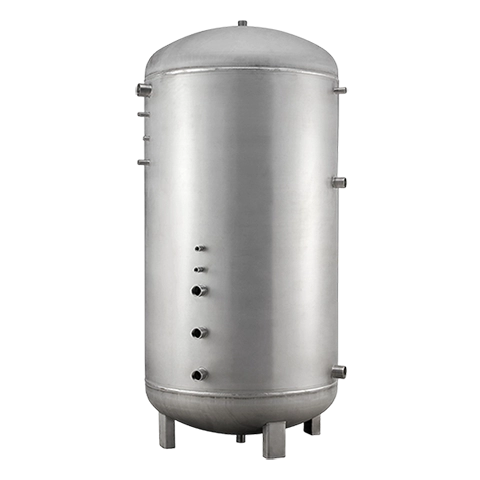
A hydronic buffer tank plays an important role in improving thermal balance by adding additional water storage capacity between the heat source and heating circuits. It helps maintain more stable water temperatures, reduces frequent compressor operation, and allows heat pumps to operate under more favorable conditions.
For residential, commercial, and industrial heating applications, a properly designed buffer tank for heat pump systems can improve comfort, extend equipment service life, and support more efficient energy management. Legend provides stainless steel buffer tank solutions designed to meet different heating requirements while maintaining reliable performance.
How a Hydronic Buffer Tank Supports Heat Pump Efficiency
A heat pump operates most efficiently when it can run for longer periods under stable conditions. When the heating demand is lower than the heat pump output, the equipment may reach the target temperature too quickly and stop frequently. This repeated cycling can increase mechanical stress and reduce overall efficiency.
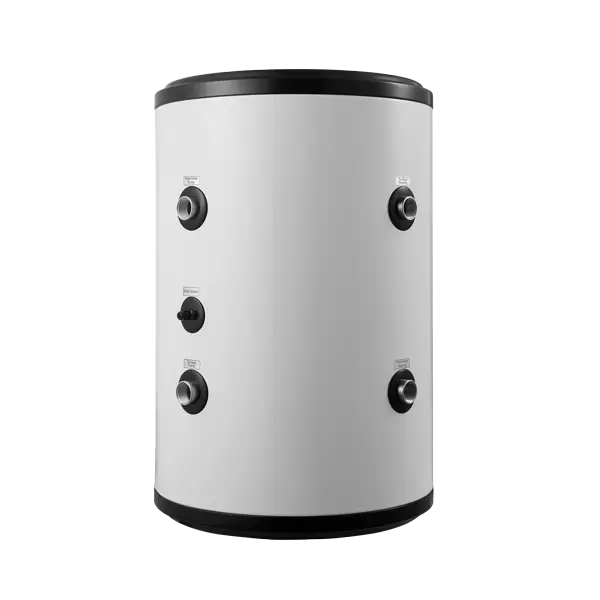
A hydronic buffer tank for heat pump applications works as a thermal storage component that absorbs excess heat energy and releases it when needed. By increasing the available water volume in the heating circuit, it helps reduce temperature fluctuations and creates a smoother operating process.
The main functions include:
| Function | Performance Benefit |
|---|---|
| Thermal energy storage | Maintains stable heating output during demand changes |
| Flow balance improvement | Supports consistent water circulation |
| Cycling reduction | Helps decrease frequent heat pump starts and stops |
| Temperature stabilization | Provides more comfortable indoor heating conditions |
This approach allows the heat pump to operate with fewer interruptions, improving energy utilization while reducing unnecessary wear on key components.
Stainless Steel Construction for Long-Term Heating Applications
Material selection is an important consideration when choosing a buffer tank for heating applications. Since the tank continuously contacts heated water, durability, corrosion resistance, and long-term reliability are essential factors.
Legend’s stainless steel hydronic buffer tank solutions are designed with high-quality stainless steel materials to provide dependable performance in different environments. Stainless steel construction helps maintain water quality, improves resistance against corrosion, and supports long service periods.
Compared with traditional storage solutions, stainless steel tanks offer advantages in:
Durability under continuous heating conditions
Better resistance to corrosion and oxidation
Cleaner internal water storage performance
Suitability for various heating applications
These features make stainless steel buffer tanks a practical choice for heat pump heating, HVAC applications, solar heating integration, and energy recovery projects.
Reducing Heat Pump Short Cycling Through Thermal Storage
Short cycling is one of the common challenges affecting heat pump performance. When a heating unit turns on and off too frequently, it may consume more energy during startup periods and experience increased component stress over time.
A properly selected hydronic buffer tank for reducing heat pump cycling provides additional thermal mass that allows the equipment to run longer operating cycles. Instead of responding immediately to small temperature changes, the tank helps absorb and distribute heat more gradually.
The benefits of reducing short cycling include:
More stable heating output
Lower frequency of compressor activation
Improved operational efficiency
Reduced maintenance requirements
Enhanced user comfort
For heating professionals, selecting the correct buffer tank capacity and installation approach is essential to achieving these advantages.
Flexible Buffer Tank Solutions for Different Heating Applications
Heating projects have different requirements depending on building size, energy source, and operating conditions. A versatile buffer water tank for heat pump systems should provide flexibility in installation and configuration.
Legend buffer tanks are suitable for applications including:
| Application Area | Main Purpose |
|---|---|
| Heat pump heating | Balance heat output and demand |
| HVAC heating and cooling | Improve water circulation stability |
| Solar thermal applications | Store collected thermal energy |
| Heat recovery projects | Support efficient energy reuse |
| Commercial heating facilities | Maintain consistent hot water availability |
With flexible capacity options and customization capabilities, Legend supports different project requirements through OEM and ODM solutions.
Key Factors When Selecting a Hydronic Buffer Tank
Choosing the right buffer tank requires consideration of several technical factors. A tank should not only match the heating equipment but also support stable operation under changing demand conditions.
Important selection factors include:
Capacity and Heat Demand
The tank volume should match the heating load and operating characteristics of the heat pump. An appropriately sized buffer tank can provide effective thermal storage without unnecessary space requirements.
Material Quality
The tank material directly affects durability and service performance. Stainless steel options are widely preferred because they provide strong corrosion resistance and reliable long-term use.
Installation Compatibility
A suitable buffer tank should fit the available installation space and connect easily with existing heating equipment. Flexible designs help simplify project integration.
Application Environment
Different environments may require different material grades and configurations. Understanding operating conditions helps ensure better performance and longer service life.
Why Choose Legend for Buffer Tank Manufacturing
Legend focuses on providing dependable water storage solutions for heating and energy applications. The company combines manufacturing experience with customization capability to support global customers looking for reliable thermal storage products.
Legend’s buffer tank advantages include:
Professional stainless steel manufacturing capability
Support for customized product requirements
Solutions for heat pump, HVAC, and renewable energy applications
Reliable construction for long-term operation
Flexible options for different project needs
For distributors, installers, and engineering companies, working with an experienced buffer tank supplier can simplify sourcing and improve project reliability.
Future Demand for Efficient Thermal Storage Solutions
As energy efficiency requirements continue to influence heating technology development, thermal storage components are becoming increasingly important. Heat pump adoption is expanding across residential and commercial markets, creating greater demand for solutions that improve operating stability.
A hydronic buffer tank supplier with strong manufacturing capabilities can help customers develop more efficient heating solutions by providing durable products designed for changing energy demands.
Through improved temperature management, reduced cycling frequency, and enhanced system performance, buffer tanks continue to support the transition toward more efficient heating technologies.
FAQ
What is a hydronic buffer tank used for?
A hydronic buffer tank stores thermal energy within a heating circuit and helps balance heat supply and demand. It is commonly used with heat pumps, HVAC equipment, and renewable heating applications.
Why does a heat pump need a buffer tank?
A heat pump may experience frequent cycling when heating demand changes quickly. A buffer tank increases water volume and helps maintain more stable operation by reducing unnecessary starts and stops.
What materials are available for buffer tanks?
High-quality stainless steel is commonly used for buffer tanks because it provides durability, corrosion resistance, and reliable performance for long-term heating applications.
Can a buffer tank be customized for different projects?
Yes. Manufacturers such as Legend can provide customized solutions according to capacity requirements, installation conditions, and application needs.
How does a buffer tank improve energy savings?
By reducing short cycling and improving heat distribution, a buffer tank helps the heat pump operate more efficiently, which can contribute to lower energy consumption and improved overall performance.