
 English
  繁体中文
繁体中文  Spanish
  Hungarian
  Serbian
  Slovak
  Slovenian
  Romanian
  Dutch
Dutch  Russian
  Bulgarian
  Кыргызча
  O'zbekcha
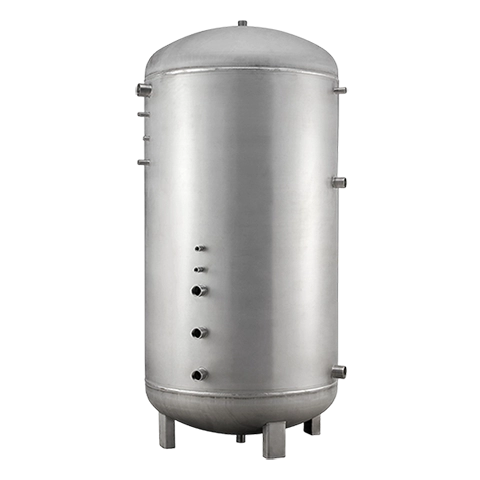
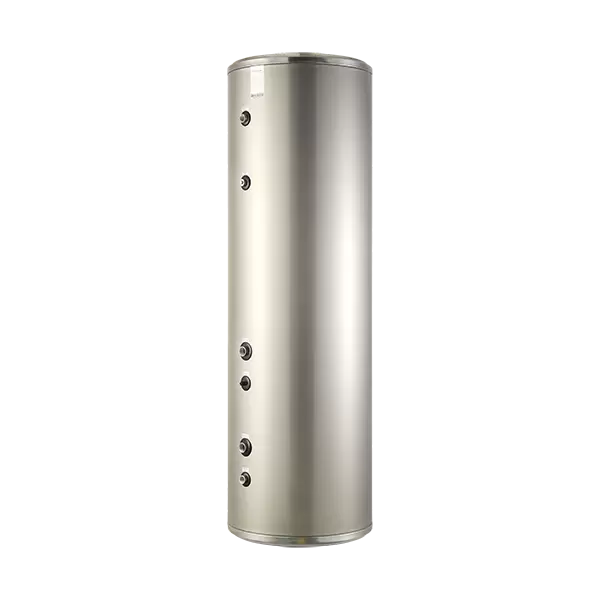
 Selecting the right heat pump water tank is one of the most important decisions for OEM manufacturers, HVAC contractors, distributors, and project developers. A well-designed storage tank directly affects hot water availability, energy efficiency, equipment compatibility, and long-term operating costs. Beyond capacity, buyers should evaluate material quality, insulation performance, manufacturing capability, and supplier reliability before placing bulk orders. For international procurement, choosing an experienced manufacturing partner can reduce supply risks while ensuring consistent product quality and delivery schedules.
Why Heat Pump Water Tank Selection Matters
A heat pump water tank serves as the thermal storage component that works alongside heat pump equipment to maintain a stable hot water supply. It stores heated water efficiently and helps reduce unnecessary operating cycles, contributing to better overall energy utilization.
For commercial buildings, residential developments, hospitality projects, and public facilities, the storage tank should provide reliable performance under varying demand conditions. Poor material selection, inadequate insulation, or inconsistent manufacturing quality may increase heat loss, shorten service life, and create unnecessary maintenance expenses. These factors become even more significant for OEM buyers responsible for delivering dependable products to international markets.
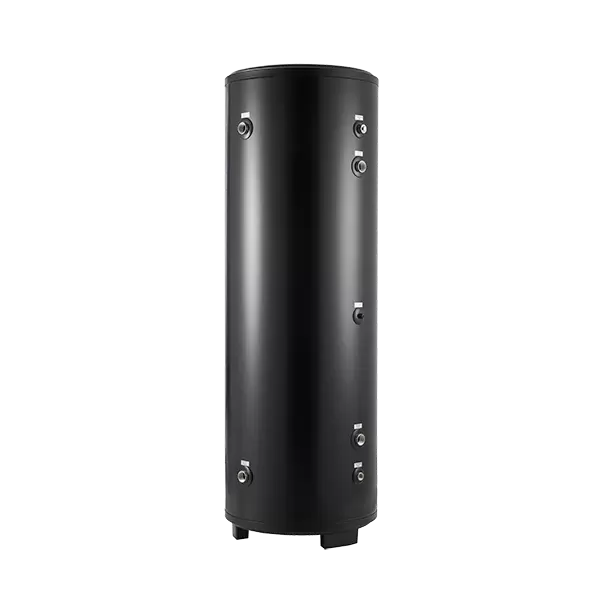
Key Factors OEM Buyers Should Evaluate
When comparing suppliers, focusing only on price rarely delivers the best purchasing outcome. Heat pump water tank quality depends on several interconnected factors that influence durability, production consistency, and long-term value.
Stainless Steel Material Selection
The internal tank is continuously exposed to hot water, making corrosion resistance a critical requirement. Stainless steel grades such as SUS304, SUS316L, and Duplex 2205 are widely selected for different water conditions and application environments. Choosing the appropriate material helps improve durability while reducing maintenance requirements throughout the product lifecycle.
Insulation Performance
High-quality insulation minimizes heat loss and improves heat retention between heating cycles. Effective insulation also contributes to lower operating costs by maintaining water temperature for longer periods without excessive reheating. Buyers should evaluate insulation quality instead of focusing solely on storage capacity.
Manufacturing Consistency
Consistent welding, surface finishing, pressure testing, and quality inspection contribute to stable product performance. Manufacturers with standardized production processes are generally better positioned to deliver uniform quality across large OEM orders.
| Evaluation Item | Purchasing Focus |
|---|---|
| Tank Material | Corrosion resistance and durability |
| Insulation | Reduced heat loss and energy savings |
| Manufacturing Quality | Consistent production and reliable performance |
| OEM Capability | Custom design and branding support |
| Quality Inspection | Pressure testing and final inspection |
| Delivery Capacity | Stable production and export experience |
Customization Supports Different Project Requirements
OEM customers often require more than standard storage tanks. Different projects may specify unique connection locations, coil configurations, insulation thicknesses, exterior finishes, or branding requirements. A manufacturer with flexible customization capability can better support changing project specifications while maintaining production efficiency.
Legend provides OEM manufacturing services that allow customers to customize tank configuration, material selection, connection design, branding, packaging, and production details according to project requirements. This flexibility helps distributors, equipment manufacturers, and private-label brands improve product competitiveness without increasing sourcing complexity.
Supply Chain Reliability Is Equally Important
International procurement involves much more than product quality. Production capacity, quality control procedures, export experience, and delivery management all influence purchasing success.
An experienced heat pump water tank manufacturer should maintain stable raw material sourcing, standardized inspection procedures, and efficient production scheduling. These capabilities reduce delivery uncertainty and help buyers maintain consistent inventory planning, especially during periods of increased market demand.
Long-term supplier cooperation also simplifies communication, supports continuous product improvement, and reduces the overall cost associated with supplier changes.
How to Compare Heat Pump Water Tank Suppliers
Many manufacturers can produce stainless steel water tanks, but their capabilities may differ significantly. Buyers should compare suppliers using multiple evaluation criteria rather than relying on quotations alone.
Consider manufacturing experience, available customization options, inspection procedures, export capability, and technical communication. A supplier that provides transparent production management and responsive technical support is often better prepared to meet international OEM expectations.
Conclusion
Choosing a heat pump water tank requires balancing product quality, manufacturing capability, customization flexibility, and supply chain stability. Careful supplier evaluation helps reduce purchasing risks while supporting long-term business growth. For OEM manufacturers, HVAC companies, distributors, and engineering contractors, working with an experienced partner such as Legend provides greater confidence in product consistency, reliable delivery, and customized manufacturing solutions that align with diverse global project requirements.
FAQ
What material is commonly used for a heat pump water tank?
Stainless steel is widely preferred because of its excellent corrosion resistance, hygienic properties, and long service life. Different stainless steel grades are available to match various water quality conditions and application requirements.
How should OEM buyers evaluate a heat pump water tank supplier?
Buyers should review manufacturing experience, quality inspection procedures, customization capability, export experience, production capacity, and after-sales support instead of comparing prices alone.
Why is insulation important for a heat pump water tank?
High-quality insulation reduces heat loss, improves heat retention, lowers energy consumption, and helps maintain stable hot water availability during daily operation.
Can a heat pump water tank be customized for different projects?
Yes. Many OEM manufacturers offer customization services, including connection positions, internal coil configuration, exterior finish, branding, packaging, and material selection to meet different project specifications.
What makes Legend a suitable OEM manufacturing partner?
Legend focuses on stainless steel heat pump water tank manufacturing with flexible OEM services, strict quality inspection, stable production capability, and extensive export experience, helping international customers source reliable products for diverse HVAC and hot water applications.