
 English
 繁体中文
 Spanish
 Hungarian
 Serbian
 Slovak
 Slovenian
 Romanian
 Dutch
 Russian
 Bulgarian
 Кыргызча
 O'zbekcha
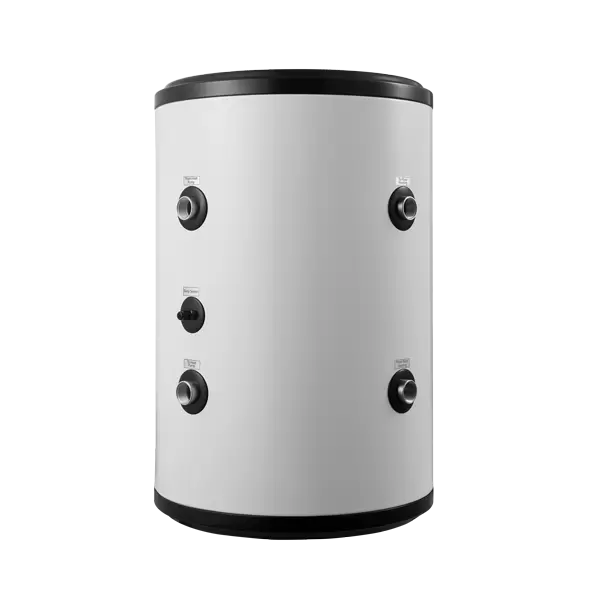
Solar thermal technology provides an effective way to convert sunlight into usable hot water for residential and commercial applications. However, collecting solar energy is only part of the process. The ability to store thermal energy and make it available when needed is equally important. A well-designed solar hot water storage tank helps maintain a consistent hot water supply, reduces heat loss and improves the practical value of solar heating equipment.
For contractors, distributors and project developers, choosing a suitable storage vessel requires careful consideration of tank materials, heat exchange performance, insulation, operating pressure and installation requirements. Understanding these factors makes it easier to select a tank that matches the solar collector capacity and actual hot water demand.
How a Solar Hot Water Storage Tank Works
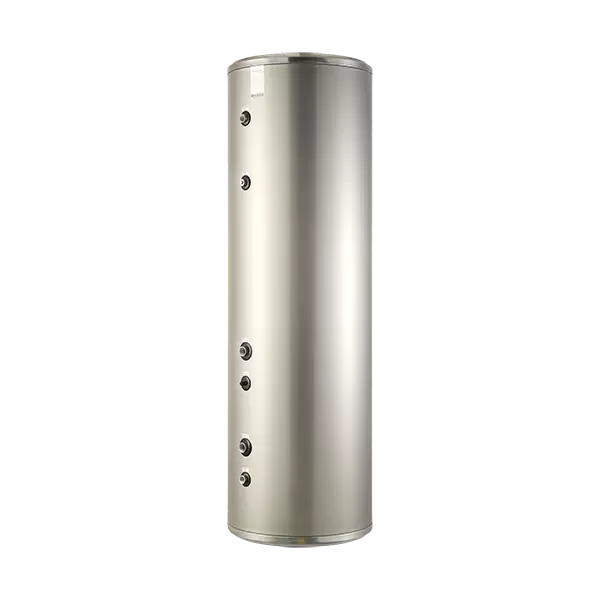
A solar water heating arrangement collects thermal energy through solar collectors and transfers it to water inside a storage vessel. Depending on the design, heat can be transferred through an internal coil or another suitable heat exchange arrangement. The heated water remains stored until it is required for domestic or commercial use.
The storage tank plays an important role in balancing energy collection and consumption. Solar radiation changes throughout the day, while hot water demand may continue into the evening or early morning. Thermal storage helps bridge this difference, making solar energy more useful even when sunlight is temporarily unavailable.
An appropriately configured solar thermal storage tank also supports integration with auxiliary heating equipment, allowing additional heat to be supplied when solar energy alone cannot meet demand.
Key Design Considerations for Solar Thermal Storage
Selecting a suitable tank involves evaluating several connected factors rather than focusing on capacity alone. Material selection, heat exchange structure and insulation should all correspond to the intended operating conditions.
Stainless Steel Material and Corrosion Resistance
The inner vessel is continuously exposed to stored water and temperature changes, making material quality essential for long-term reliability. Stainless steel is widely used in solar water heating applications because of its durability, clean internal surface and resistance to corrosion under suitable operating conditions.
Legend offers SUS304, SUS316L and Duplex 2205 stainless steel options. Each material has different characteristics, so buyers should consider water composition, chloride exposure and project requirements before making a selection. Choosing the appropriate stainless steel grade helps improve durability and maintain water storage quality throughout regular operation.
Heating Coil Configuration and Heat Transfer
The heating coil is a critical component when thermal energy needs to be transferred into the stored water. Its design influences the available heat exchange area, water temperature distribution and compatibility with the selected heating equipment.
Different applications may require flat coils, wave coils or refrigerant-related coil configurations. The correct arrangement depends on the heat source, operating conditions and required heating performance. For customized solar hot water storage tanks, coil positioning and connection specifications should be confirmed during the design stage.
Insulation and Heat Retention
A storage vessel must retain collected thermal energy for as long as practical. Without adequate insulation, heat gradually escapes through the tank walls, reducing the temperature of stored water and increasing the need for supplementary heating.
Insulation thickness and material quality should therefore be considered together with the tank's location and operating environment. Effective thermal insulation helps maintain water temperature between heating and consumption periods, supporting better overall energy utilization.
Matching Storage Capacity with Actual Hot Water Demand
Tank capacity should reflect the relationship between solar collector output, daily water consumption and expected periods of peak demand. A tank that is too small may not store enough collected heat, while excessive capacity can increase installation costs and the volume of water that needs to be heated.
The following considerations can help buyers evaluate capacity requirements:
| Selection Factor | Main Consideration |
|---|---|
| Household size | Number of users and daily consumption |
| Commercial demand | Peak usage and operating schedules |
| Solar collector output | Available thermal energy |
| Auxiliary heating | Required supplementary heat |
| Installation space | Tank dimensions and access |
| Future expansion | Potential changes in demand |
For larger commercial solar hot water projects, storage capacity should be assessed alongside the expected operating schedule. Engineering contractors should also consider pipe connections, circulation arrangements and maintenance access before finalizing the tank layout.
Integrating Solar Storage with Other Heat Sources
Solar energy availability is influenced by weather, seasonal changes and installation conditions. For this reason, many solar thermal projects incorporate auxiliary heating equipment to maintain hot water availability when solar collection is insufficient.
A properly selected solar water heating storage tank can be designed to work alongside boilers or heat pumps, depending on its internal configuration and connection requirements. This flexibility is valuable for projects that need more consistent hot water delivery throughout the year.
When planning a multi-source heating arrangement, buyers should verify the temperature requirements, pressure ratings and heat exchange compatibility of each component. Clear coordination between the tank manufacturer, equipment supplier and installation contractor helps reduce integration difficulties.
Pressure Testing and Manufacturing Quality
A storage tank must withstand normal operating pressure and temperature changes without developing leakage or structural problems. Welding quality, connection integrity and sealing performance are therefore important purchasing considerations.
Legend tanks have a standard working pressure rating of 6 bar and undergo hydraulic testing at 10 bar before delivery. The manufacturer also conducts online leakage testing at 6–16 Kgf/cm², with a three-minute pressure-holding procedure.
With 17 years of welding experience and certified welders, Legend places emphasis on manufacturing consistency and inspection. These quality procedures help identify potential defects before products leave the factory, supporting dependable performance in residential and commercial installations.
Why Choose Legend Solar Water Tanks?
Foshan Legend provides customizable stainless steel solar water storage solutions for different thermal heating projects. Available capacities range from 60L to 2000L, with inner tank materials including SUS304, SUS316L and Duplex 2205.
Customers can also select different outer shell finishes and colors according to installation and project requirements. Multiple heating coil configurations are available to accommodate different heat sources and heat exchange needs. In addition, OEM and ODM services allow project purchasers and distributors to discuss customized tank structures and specifications.
Every tank is supported by a three-year warranty. By combining material options, flexible manufacturing and strict quality inspection, Legend helps customers source solar hot water storage equipment for a variety of residential and commercial applications.
FAQ
1. What is the main function of a solar hot water storage tank?
Its primary function is to store heated water and retain thermal energy collected from solar heating equipment. This allows hot water to remain available when sunlight is limited or immediate consumption is not required.
2. Which stainless steel material is suitable for solar water tanks?
SUS304, SUS316L and Duplex 2205 are available choices. The appropriate material depends on water quality, corrosion exposure and the operating environment.
3. Can a solar storage tank work with a boiler or heat pump?
Yes. A suitably configured tank can support integrated heating arrangements involving solar energy, boilers and heat pumps. Compatibility should be confirmed according to the coil design and connection requirements.
4. Why is insulation important for solar thermal storage?
Insulation reduces heat loss from stored water, helping maintain its temperature for longer periods and reducing the need for additional heating.
5. Does Legend provide customized solar water tanks?
Yes. Legend offers OEM and ODM services, including capacity selection, stainless steel material options, outer shell finishes and customized heating coil configurations.
Choosing a suitable storage vessel is essential for making solar thermal energy practical and dependable. With flexible configurations, stainless steel construction and rigorous quality inspection, Legend delivers solar hot water storage tank solutions designed to meet the varied requirements of residential, commercial and customized energy projects.