
 English
 繁体中文
 Spanish
 Hungarian
 Serbian
 Slovak
 Slovenian
 Romanian
 Dutch
 Russian
 Bulgarian
 Кыргызча
 O'zbekcha
Why Material Selection Matters for Custom Buffer Tank Design
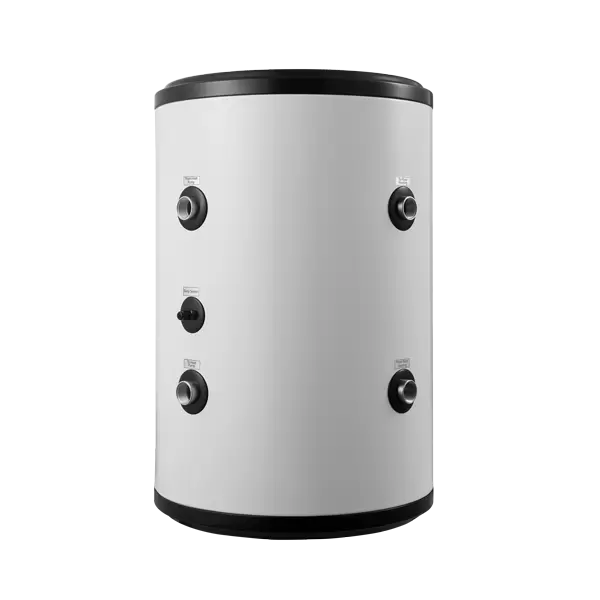
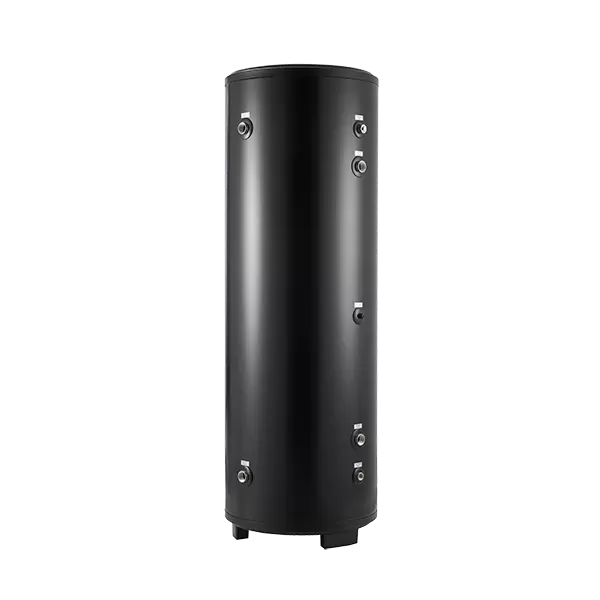
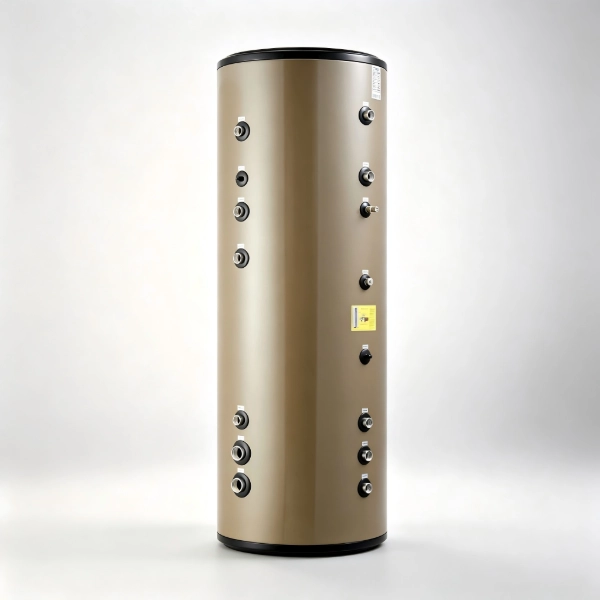
Selecting a custom buffer tank for heating applications involves more than choosing a suitable storage capacity. Material durability, insulation performance, operating pressure, temperature requirements, and installation conditions all influence long-term performance. For equipment manufacturers, HVAC contractors, and project buyers, a well-designed tank can help maintain stable water circulation and accommodate changing heating loads.
Legend provides buffer tank solutions with stainless steel options, including SUS304, SUS316L, and Duplex 2205. These materials allow buyers to evaluate corrosion resistance and application requirements when specifying a tank for residential or commercial heating projects. By combining suitable material selection with appropriate capacity and insulation, a custom buffer tank can support dependable operation across a range of water-based heating applications.
How a Custom Buffer Tank Supports Heating Performance
Heating equipment does not always operate under a constant demand for heat. When water flow or heat demand changes, the available water volume can influence temperature stability and equipment cycling. A buffer tank adds water capacity to the heating circuit, helping reduce rapid temperature fluctuations and supporting more consistent operation when properly sized.
For heat pump applications, buffer tank sizing should account for the equipment manufacturer's minimum water volume, required flow rate, operating conditions, and control strategy. An undersized tank may provide insufficient buffering, while an unnecessarily large tank can increase installation costs and occupied space. A properly specified custom buffer tank balances these factors to suit the intended heating application.
Choosing Stainless Steel for Long-Term Durability
The tank's material should be selected according to water quality, operating conditions, maintenance expectations, and project requirements. Stainless steel is widely considered for heating equipment because it offers corrosion resistance and a durable construction option. However, performance depends on the specific alloy, water chemistry, fabrication quality, and operating environment rather than the material name alone.
Legend offers SUS304, SUS316L, and Duplex 2205 options for different application requirements. SUS304 can be suitable for many general water-storage applications, while SUS316L may be considered where greater resistance to certain corrosive conditions is needed. Duplex 2205 provides a different combination of strength and corrosion resistance for more demanding environments. Buyers should confirm compatibility with the intended water chemistry before finalizing material selection.
Comparing Buffer Tank Materials for Heating Applications
Material selection affects purchasing cost, corrosion resistance, and suitability for the operating environment. The following comparison provides a starting point for evaluating stainless steel options.
| Material | Main consideration | Selection focus |
|---|---|---|
| SUS304 | General-purpose stainless steel | Routine water-heating applications |
| SUS316L | Enhanced resistance to certain corrosive conditions | More demanding water chemistry |
| Duplex 2205 | High strength and corrosion resistance | Applications requiring additional material performance |
The most suitable choice depends on actual operating conditions rather than a universal ranking. Buyers should consider water composition, temperature, cleaning practices, and the possibility of contact with corrosive substances. Correct material selection can help reduce premature deterioration and avoid unnecessary material costs.
Custom Capacity and Installation Requirements
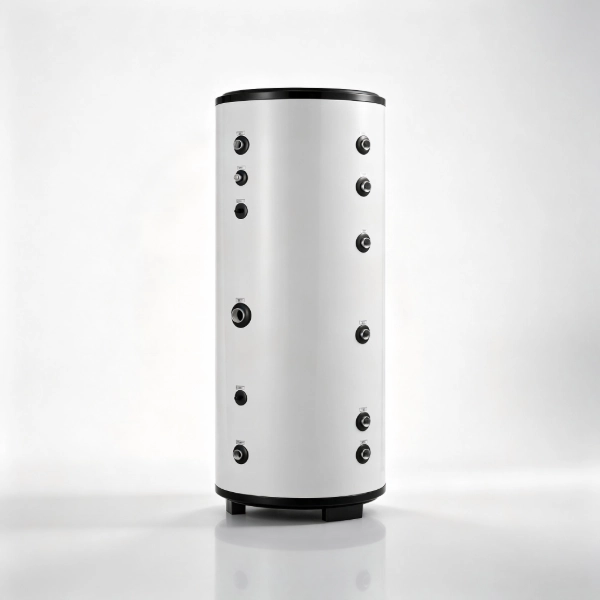
A custom buffer tank should be designed around the heating equipment and available installation space. Capacity requirements depend on the total water volume in the circuit, heat pump operating limits, flow requirements, control settings, and the expected variation in heating demand. These factors should be assessed together instead of selecting a tank solely by its nominal capacity.
Legend offers capacities ranging from 60 to 2000 litres, providing options for different residential and commercial project requirements. Before placing an order, buyers should confirm the required connections, tank dimensions, access for installation, and available floor or wall space. Where a compact installation is necessary, the mounting arrangement and maintenance clearance should be considered early in the design process.
Insulation and Operating Conditions
Thermal insulation helps limit unwanted heat transfer between the stored water and the surrounding environment. The effectiveness of the insulation depends on its thickness, material properties, installation quality, ambient conditions, and the operating temperature of the water. For heating applications, suitable insulation can help maintain water temperature while reducing avoidable heat loss.
Legend's buffer tank offerings include a 45–50 mm foamed insulation layer and fluorine-free insulation material. Buyers should also verify the required operating temperature and pressure for their application. The listed maximum working pressure is 6 bar, the test pressure is 10 bar, and the maximum operating temperature is 90°C. These limits must be considered alongside the specifications of connected equipment, pipework, valves, and safety components.
What Buyers Should Confirm Before Ordering
A successful custom buffer tank purchase begins with a clear technical specification. Buyers should provide the intended application, required capacity, preferred stainless steel grade, operating temperature, working pressure, and installation constraints. Details such as inlet and outlet positions, connection sizes, mounting method, and insulation requirements should also be reviewed with the supplier.
For OEM equipment manufacturers and HVAC project contractors, consistent specifications are especially important when purchasing multiple units. Confirming drawings, connection locations, inspection requirements, packaging, and delivery arrangements before production helps reduce installation discrepancies and procurement delays. A qualified supplier should clarify which features are standard and which require confirmation for a particular configuration.
Quality Control and Manufacturing Considerations
Material selection alone cannot guarantee the durability of a finished tank. Welding quality, fabrication consistency, sealing performance, and inspection procedures all contribute to product reliability. Buyers should review the manufacturer's quality-control practices and confirm that testing methods correspond to the intended product and applicable requirements.
Legend states that its manufacturing process includes online leakage testing and pressure-related inspection. The company also provides a three-year warranty. For project procurement, buyers should confirm the warranty coverage, inspection documentation, applicable certifications, and acceptance criteria before ordering. These checks help establish clear expectations for product quality and after-sales support.
Custom Buffer Tank Solutions From Legend
Choosing the right buffer tank requires a balance between material performance, water capacity, insulation, operating limits, and installation requirements. A product that matches the actual heating application can help support stable water circulation without unnecessary capacity or material costs.
Legend offers stainless steel buffer tank options for heating and related water applications, with multiple material choices and capacities to accommodate different project requirements. By defining technical requirements before procurement, equipment manufacturers, distributors, and project buyers can identify a suitable configuration and improve the fit between the tank and the intended application.
Frequently Asked Questions
What is a custom buffer tank used for?
A custom buffer tank adds water volume to a heating or cooling circuit. It can help accommodate changes in thermal demand, support stable water circulation, and reduce excessive equipment cycling when correctly designed and installed.
Which stainless steel is suitable for a heating buffer tank?
SUS304 may suit many general applications, while SUS316L or Duplex 2205 may be considered for more demanding corrosion-resistance requirements. The appropriate grade depends on water chemistry, operating conditions, and project specifications.
What capacity is available from Legend?
Legend offers buffer tank capacities ranging from 60 to 2000 litres. The required capacity should be determined by the heating equipment specifications, circuit water volume, flow requirements, and installation conditions.
What operating limits should buyers check?
Buyers should confirm working pressure, maximum operating temperature, water compatibility, and the requirements of connected components. Legend lists a maximum working pressure of 6 bar and a maximum operating temperature of 90°C for its buffer tank offerings.
Can Legend supply custom buffer tanks for OEM projects?
Legend provides buffer tank options for different project requirements. OEM buyers should confirm available customization, dimensions, connections, material selection, inspection requirements, and production arrangements directly with the company before ordering.