
 English
  繁体中文
繁体中文  Spanish
  Hungarian
  Serbian
  Slovak
  Slovenian
  Romanian
  Dutch
Dutch  Russian
  Bulgarian
  Кыргызча
  O'zbekcha
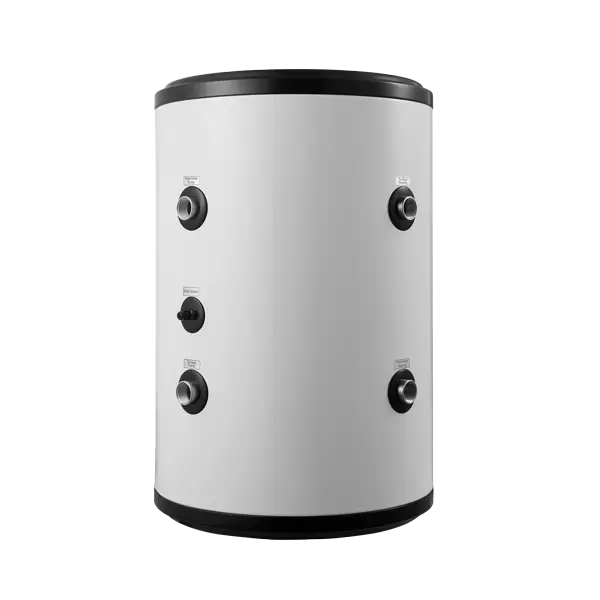
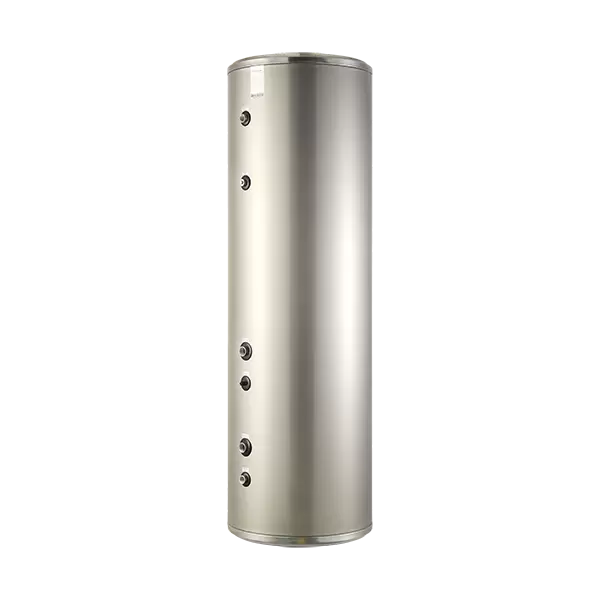
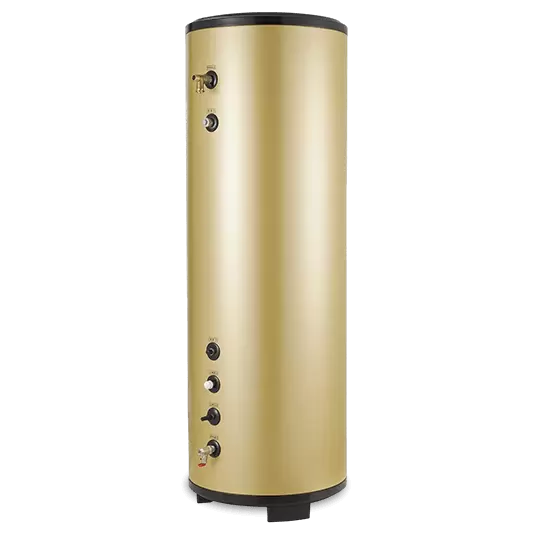
 Air source heat pumps are increasingly used for domestic and commercial hot water because they can extract heat from ambient air and transfer it into water with comparatively efficient energy use. However, the performance of the heat pump depends not only on the outdoor unit but also on the quality and design of the water storage vessel. A properly selected heat pump water heater tank provides the necessary storage capacity while creating suitable conditions for efficient heat transfer and stable hot water delivery.
For residential buildings, hotels, schools, hospitals, factories, and other facilities with continuous hot water requirements, the tank must accommodate changing demand while working smoothly with the connected air source heat pump. Tank structure, coil arrangement, water volume, material, connection design, and manufacturing precision can all influence the final performance of the installation.
Why an Air Source Heat Pump Needs a Suitable Water Tank
An air source heat pump produces heat at a rate determined by its operating conditions and available ambient energy, while hot water demand can change considerably throughout the day. Without sufficient storage capacity, heat generation and consumption may not be well matched. A dedicated air source heat pump water tank helps bridge this difference by storing heated water until it is needed.
The tank also provides a stable medium for heat transfer. Instead of requiring the heat pump to respond directly to every short-term change in demand, stored hot water can supply the connected outlets or heating circuits when consumption increases. This approach supports more consistent hot water availability and gives designers greater flexibility when selecting heat pump capacity.
For larger installations, storage becomes even more important because several users or zones may draw hot water simultaneously. A well-matched vessel can help accommodate these variations without requiring the heat source to be sized only around the highest instantaneous demand.
How the Heat Exchange Coil Transfers Energy
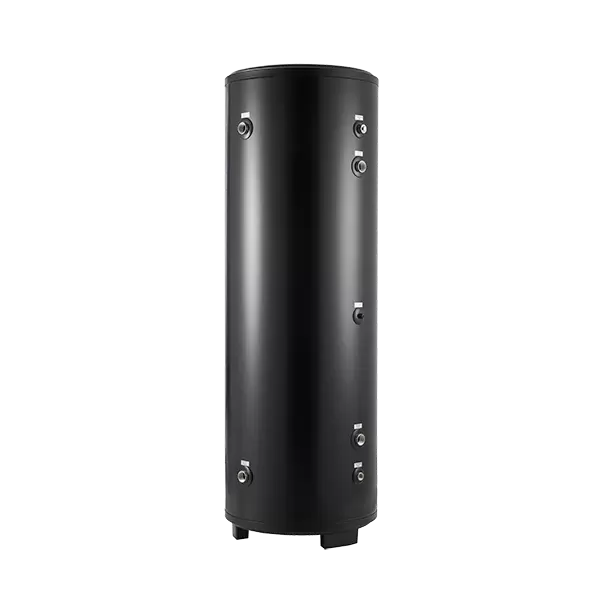
The heat exchange coil is one of the most important internal components of a heat pump water heater tank. The heat pump transfers thermal energy through the circulating heat transfer fluid, while the stored domestic water remains inside the tank. The coil provides the surface through which this energy moves into the surrounding water.
Legend uses a single-coil heat exchange structure with a carefully arranged internal coil layout. The objective is to promote fast and relatively uniform heat transfer throughout the storage volume. An appropriately designed coil can reduce inefficient heat exchange areas and help the available thermal energy move into the stored water effectively.
Coil design should be considered together with flow rate, temperature difference, heat pump output, tank volume, and installation requirements. A heat exchange coil that is correctly matched to the heat source can contribute to faster recovery and more stable hot water performance.
Tank Capacity and Hot Water Demand
Choosing the right capacity is not simply a matter of selecting the largest available tank. The appropriate volume depends on expected hot water consumption, the number of users, peak demand periods, heat pump recovery capability, incoming water temperature, and desired storage temperature.
For residential applications, the tank may need to accommodate normal household consumption and occasional periods of higher demand. In commercial buildings, the calculation can be more complex because usage patterns may vary significantly between facilities.
The following factors should be reviewed before selecting a domestic hot water tank for heat pump applications:
| Selection factor | Main consideration |
|---|---|
| Daily hot water demand | Determines required overall storage |
| Peak consumption | Influences available reserve volume |
| Heat pump capacity | Determines recovery speed |
| Water temperature | Affects useful stored energy |
| Number of users | Important for residential and commercial sizing |
| Installation space | Influences tank configuration |
| Connection requirements | Ensures compatibility with equipment |
A balanced selection provides enough stored water for the intended application without creating unnecessary installation cost or space requirements.
Residential Applications Require Stable Hot Water
In villas, apartments, and residential communities, hot water demand can change rapidly throughout the day. Morning showers, evening bathing, kitchen use, and other household activities can create concentrated demand periods. A suitable heat pump hot water tank provides stored water that can be used when demand exceeds the instantaneous heating capacity of the heat pump.
For residential projects, installation space and user comfort are particularly important. The vessel should provide sufficient capacity while fitting into the available utility area. A well-designed tank can also support auxiliary heating requirements where the same stored water is used for more than one purpose.
Legend provides residential-oriented heat pump water tank solutions that can be adapted to different building requirements, making them suitable for villas, apartments, and residential communities.
Commercial Hot Water Requires Greater Flexibility
Commercial facilities such as hotels, schools, hospitals, factories, and shopping malls often have larger and less predictable hot water requirements. Multiple outlets may operate at the same time, creating temporary demand peaks that cannot always be met efficiently by direct heat generation alone.
A commercial heat pump water heater tank provides a thermal reserve that can help manage these fluctuations. The storage vessel can receive heat progressively from the air source heat pump and release the stored hot water according to actual consumption.
Commercial projects should also consider installation access, connection arrangement, maintenance requirements, water hygiene, and future changes in demand. These factors can influence the preferred tank capacity and configuration just as much as the nominal heat pump output.
Central Heating and Hot Water Integration
Although air source heat pumps are widely associated with domestic hot water, they can also support central heating applications. A suitable storage vessel can help provide additional thermal capacity when the heat source is connected to a larger heating circuit.
For central heating projects, the relationship between stored water, heat pump output, circulation flow, and heating demand should be evaluated carefully. A properly designed heat pump storage tank can help stabilize the available hot water volume and support more consistent heating performance.
Where a building requires both domestic hot water and auxiliary heating, a multifunctional tank can offer greater flexibility than a vessel designed for a single application. The final arrangement should be selected according to the temperature and flow requirements of each connected circuit.
Stainless Steel Construction and Long Term Durability
Tank material has a direct influence on corrosion resistance, durability, hygiene, and service life. Stainless steel is widely used for hot water storage because it provides a robust combination of mechanical strength and resistance to corrosion under suitable operating conditions.
A stainless steel heat pump water tank is particularly suitable for applications where water quality and long-term reliability are important. The material should be selected according to the water chemistry, operating temperature, pressure, and project requirements rather than based on appearance alone.
Manufacturing quality is equally important. Accurate cutting, consistent welding, correct connection positioning, and proper dimensional control help ensure that the finished vessel integrates correctly with external piping and heat pump equipment.
Precision Manufacturing Supports Custom Tank Design
Air source heat pump projects do not always use identical connection arrangements. Tank openings, flanges, pipe positions, and structural details may need to correspond to different equipment layouts or installation conditions.
Legend uses precision laser cutting technology during tank manufacturing to produce smooth, burr-free cuts with tight dimensional control. This allows openings and flanges to be customized according to project requirements while supporting consistent assembly and welding quality.
Such manufacturing flexibility is especially useful for OEM and project-based applications. Instead of adapting an installation around a fixed vessel configuration, customers can request a tank structure that better matches their equipment arrangement and available installation space.
Improving Heat Transfer Through Internal Coil Design
The internal coil should provide sufficient heat transfer surface while maintaining a practical flow path for the heating medium. Its position within the tank also affects how effectively heat spreads through the stored water.
Legend's single-coil design uses a planned internal arrangement to support fast and uniform heat exchange. This can help improve thermal conversion and reduce uneven heating within the storage vessel.
For engineering applications, coil performance should be evaluated alongside heat pump capacity and operating temperatures. A tank is not an isolated component, and the best result comes from matching the heat exchange structure to the characteristics of the connected air source heat pump.
Selecting a Tank for Different Air Source Heat Pumps
Different heat pump installations can have different output ranges, temperature requirements, control strategies, and connection configurations. The storage tank should therefore be compatible with the intended heat source rather than selected solely according to nominal volume.
For example, a residential installation may prioritize compact installation and domestic hot water availability, while a commercial project may require greater storage volume and customized connections. A project involving multiple energy sources may require additional connection points or a specially configured vessel.
When evaluating a water heater tank for air source heat pumps, engineers should consider capacity, heat exchange surface, material, operating pressure, installation space, connection position, and expected demand together.
Why Customization Matters in Heat Pump Projects
Standardized tanks can be suitable for straightforward installations, but customized vessels can provide greater flexibility when project conditions vary. Connection orientation, flange dimensions, tank openings, coil configuration, and external dimensions may all influence installation efficiency.
Legend operates as a multi function tank manufacturer and provides customized solutions for residential, commercial, and multi-energy heating applications. Its manufacturing capabilities support modifications to openings, flanges, and structural arrangements while maintaining controlled fabrication quality.
This flexibility is particularly valuable for distributors, engineering contractors, and equipment manufacturers that require a custom heat pump water tank for a specific application or equipment combination.
Legend Heat Pump Water Tanks for Global Applications
Legend develops multifunctional heat pump water tanks for domestic hot water, commercial hot water, central heating, and air source heat pump applications. Its products combine stainless steel construction with a single-coil heat exchange structure designed for efficient and uniform thermal transfer.
The manufacturing process includes precision laser cutting to support customized tank openings, flanges, and structural configurations. This allows the vessel to be adapted to different project layouts while maintaining accurate dimensions and reliable welding conditions.
For residential buildings, commercial hot water projects, and industrial heating applications, Legend provides flexible tank solutions designed around the actual requirements of the connected air source heat pump and the end-use demand.
FAQ
What is a heat pump water heater tank?
It is a storage vessel designed to receive and store hot water heated through a heat pump. In an air source heat pump application, a heat exchange coil transfers heat from the heat pump circuit into the stored water.
Can a heat pump water tank be used with an air source heat pump?
Yes. A dedicated air source heat pump water tank can be designed to work with compatible air source heat pump equipment and provide stable domestic hot water storage.
Why is a coil used inside the tank?
The coil provides a heat transfer surface between the heat pump circuit and stored water. A properly designed coil supports efficient thermal transfer without directly mixing the heat transfer fluid with domestic water.
Is a single coil suitable for heat pump water heating?
A single-coil arrangement can be suitable when one primary heat source is responsible for heating the stored water. The coil should be properly matched to heat pump output, flow conditions, and required water temperature.
What applications can use these tanks?
They can be used for household hot water, commercial DHW projects, central heating, and air source heat pump applications. They can also be customized for multi-energy heating projects.
Can Legend customize the tank structure?
Yes. Legend supports customized openings, flanges, and structural configurations using precision laser cutting and controlled manufacturing processes. This allows the tank to better match different project layouts and equipment connections.