
 English
  繁体中文
繁体中文  Spanish
  Hungarian
  Serbian
  Slovak
  Slovenian
  Romanian
  Dutch
Dutch  Russian
  Bulgarian
  Кыргызча
  O'zbekcha
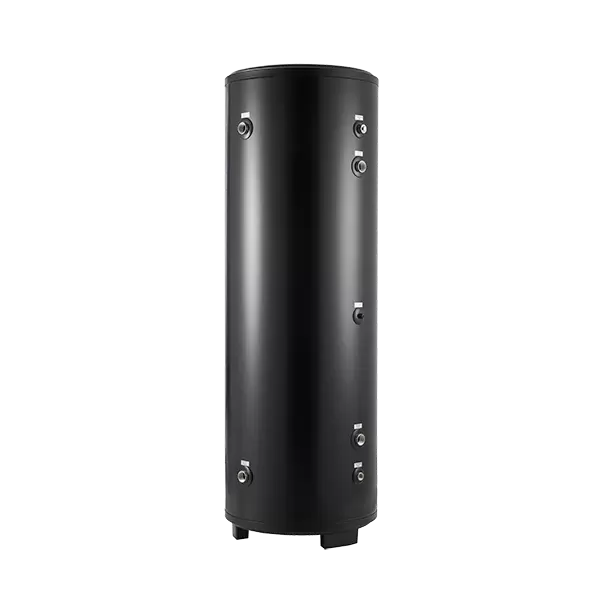
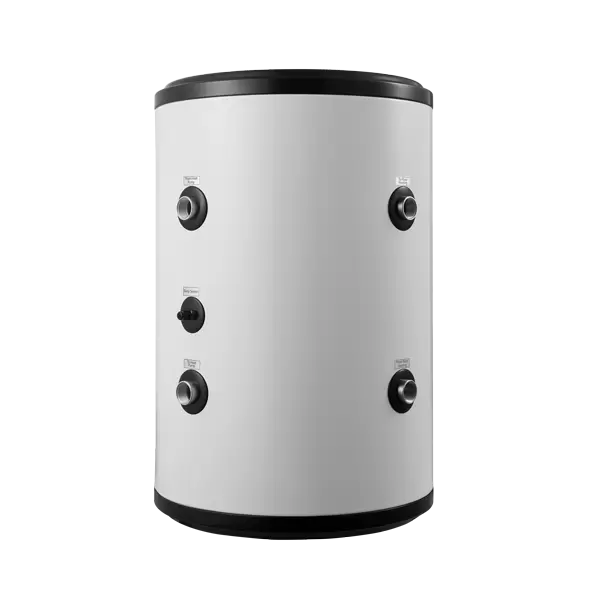
 A buffer tank, also widely known as a buffer vessel in HVAC and heating systems, is an essential thermal energy storage device that functions like a thermal battery. Unlike traditional energy storage units that store electrical power, it reserves surplus renewable or conventional energy in the form of heated water, realizing efficient energy storage and delayed utilization for heating systems.
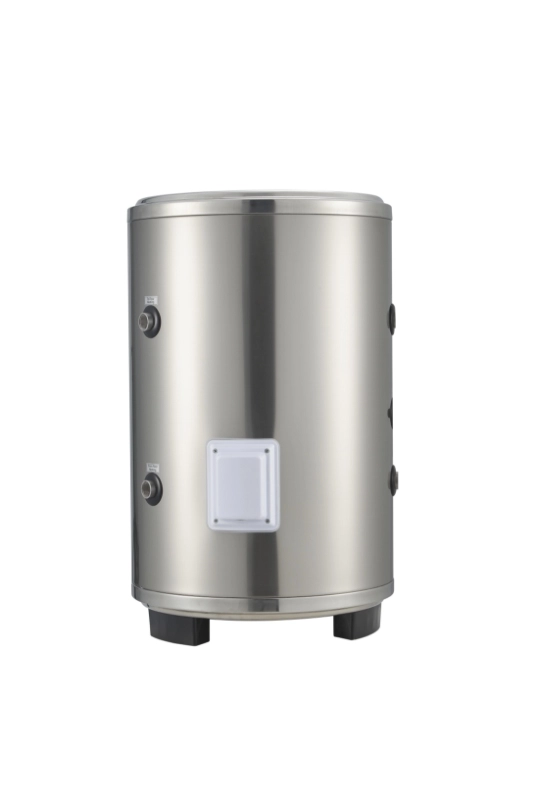
One of the most prominent structural features of a buffer tank is its multi-port connection design. Equipped with multiple reserved connection points, the tank can flexibly absorb and store thermal energy from diverse heat sources, including solar thermal collectors, heat pumps, biomass boilers and gas boilers. This versatile connection structure enables it to adapt to compound heating systems with multiple energy supply modes, greatly improving the compatibility and flexibility of the overall heating setup. The collected thermal energy can be stably retained inside the tank for several days. The specific heat preservation duration mainly depends on the tank’s structural type, high-performance insulation materials and overall sealing performance, effectively reducing unnecessary heat loss and energy waste.
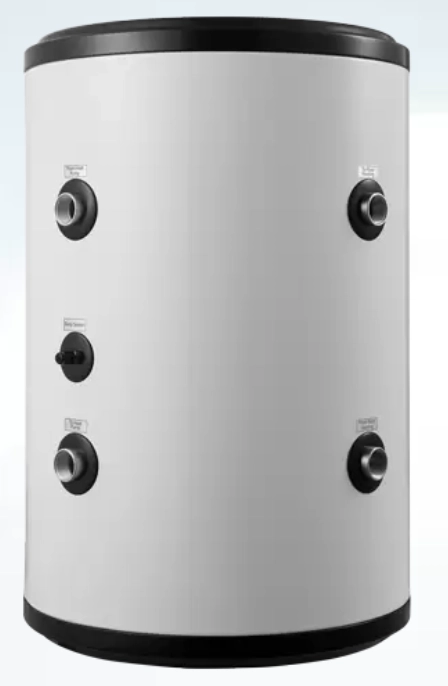
Distinct from conventional domestic water heaters that focus merely on domestic hot water supply, buffer tanks serve dual practical functions. They can not only provide sanitary hot water for daily domestic use such as bathing and cleaning, but also steadily supply heat for building central heating systems. Serving as a critical intermediate storage hub between heat sources and terminal heating equipment, it bridges the gap between unstable heat energy output and continuous heating demand.
This unique working mechanism solves the common problem of frequent start-stop operation of heating equipment caused by unbalanced heat supply and demand. It effectively stabilizes the operating pressure and temperature of the heating system, reduces equipment wear and energy consumption, and extends the service life of heating devices. Furthermore, by fully absorbing and utilizing excess heat energy, buffer tanks maximize the utilization rate of clean energy and conventional thermal energy. They significantly optimize the operational efficiency of central heating systems, cut down carbon emissions and operational costs, and have become a key core component for improving the sustainability and energy-saving performance of modern residential and commercial heating systems.