
 English
  繁体中文
繁体中文  Spanish
  Hungarian
  Serbian
  Slovak
  Slovenian
  Romanian
  Dutch
Dutch  Russian
  Bulgarian
  Кыргызча
  O'zbekcha
 Meeting Year-Round Hot Water Requirements with Thermal Storage
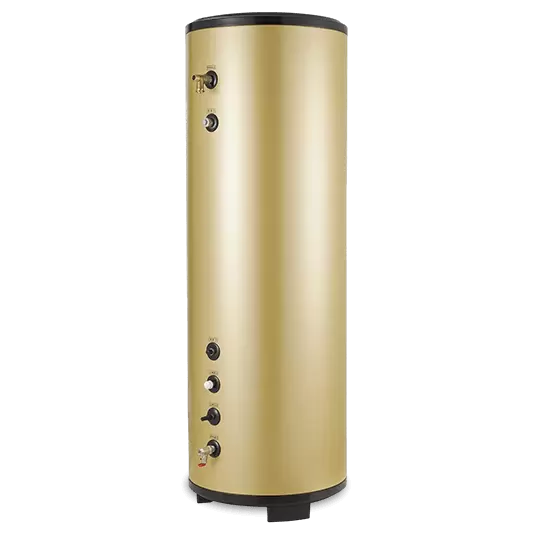
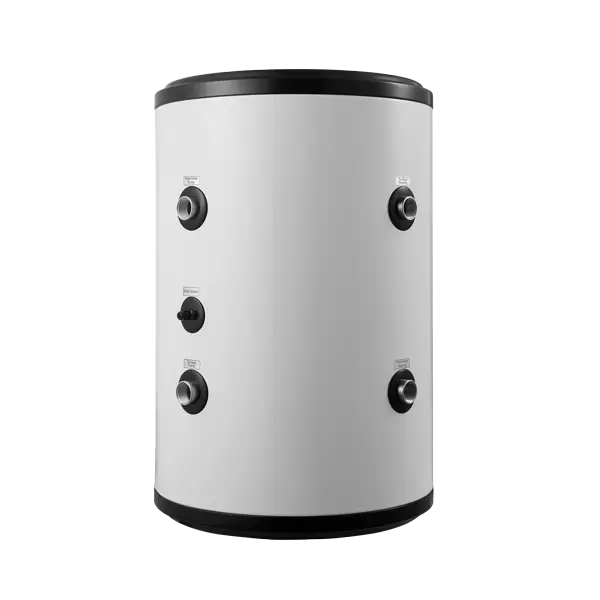
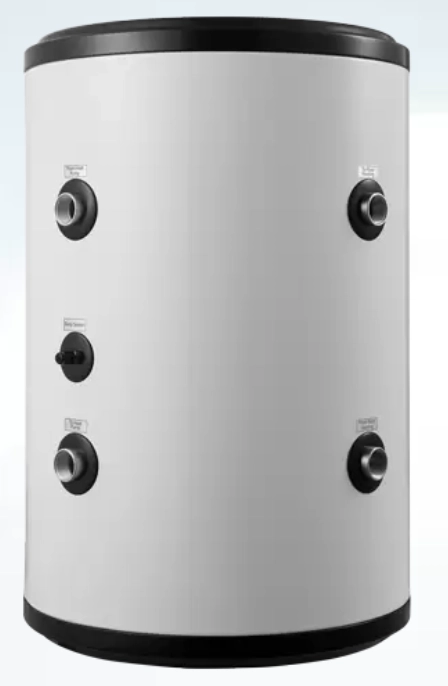
Solar energy can provide an efficient source of heat, but collecting thermal energy is only part of the challenge. Hot water demand often changes throughout the day and across different seasons, while solar radiation is naturally variable. A properly selected solar thermal water tank bridges this gap by storing heated water when solar energy is available and supplying it when demand increases. This makes thermal storage an important component for maintaining a stable hot water supply in residential buildings, commercial facilities, and solar heating projects.
For projects that require dependable hot water throughout the year, storage capacity, heat exchange efficiency, material quality, and pressure resistance all influence long-term performance. Legend provides customizable stainless steel storage solutions designed to support different solar thermal applications while also working with heat pumps and boilers. With OEM and ODM services, the tank can be adapted to project requirements rather than forcing every installation to follow the same configuration.
How a Solar Thermal Water Tank Supports Consistent Heat Availability
The primary function of a solar thermal storage tank is to retain useful heat for later consumption. During periods of strong sunlight, thermal collectors transfer heat to the stored water through an efficient heat exchange process. The accumulated hot water can then be used during periods when solar input is lower, including cloudy conditions, early mornings, evenings, and periods of higher consumption.
This approach helps improve the utilization of collected solar energy. Instead of requiring immediate consumption, the solar hot water storage tank creates a thermal reserve that can respond to changing demand. For households, this can improve hot water availability during peak morning and evening periods. For commercial applications, sufficient thermal storage can help accommodate larger and less predictable consumption patterns without relying entirely on auxiliary heating.
Stainless Steel Construction for Long-Term Thermal Storage
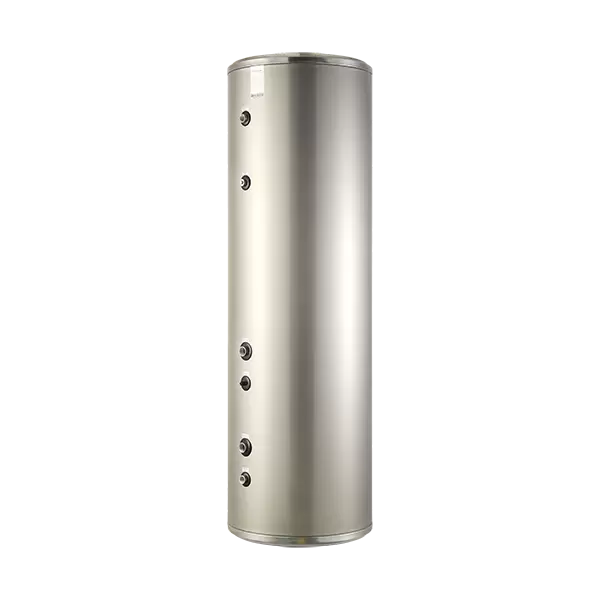
Material selection is particularly important because a storage vessel must repeatedly withstand heating, cooling, water pressure, and long operating cycles. Stainless steel offers a durable solution for solar water storage applications and can provide strong resistance to corrosion when the appropriate material and fabrication process are selected.
Legend focuses on stainless steel tank construction combined with careful welding and quality inspection. The vessels are designed around a 6 bar standard working pressure, while every finished tank undergoes hydraulic testing at 10 bar before delivery. This pressure verification examines welding seams, structural integrity, and sealing performance, helping identify potential leakage risks before the equipment reaches the project site.
Heat Exchange Efficiency Matters More Than Storage Capacity Alone
Choosing a larger tank does not automatically guarantee better performance. The heat exchange process must also transfer thermal energy effectively so that collected heat can be utilized efficiently. An upgraded high-efficiency coil can improve heat transfer between the heating source and stored water, supporting faster thermal recovery under suitable operating conditions.
For this reason, project selection should consider both storage volume and heat transfer requirements. A well-matched solar thermal storage tank can help balance heat collection, hot water demand, recovery time, and available installation space. This is especially important for commercial projects where demand may fluctuate significantly throughout the day.
| Project Requirement | Key Tank Consideration |
|---|---|
| Residential hot water | Stable storage and efficient heat exchange |
| Commercial hot water | Higher storage capacity and dependable pressure resistance |
| Solar thermal engineering | Collector compatibility and thermal performance |
| Integrated heating projects | Compatibility with solar, heat pump, and boiler sources |
| Customized projects | Tank configuration, connections, and OEM/ODM requirements |
One Storage Solution for Multiple Heating Sources
A practical thermal storage vessel does not have to serve solar collectors exclusively. Many heating projects combine different energy sources to maintain hot water availability under changing conditions. A heat pump compatible storage vessel can store heat generated by a heat pump, while a boiler-compatible configuration can provide additional flexibility when supplementary heating is required.
This multi-source capability can be valuable for projects where solar energy is the primary heat source but additional heating is required during periods of insufficient solar radiation. Legend offers solutions for solar, heat pump, and boiler integration, allowing engineers and project buyers to select a suitable storage configuration according to actual operating requirements.
Designing Storage Capacity Around Real Hot Water Demand
Tank sizing should be based on more than the number of users or the nominal collector capacity. Engineers should evaluate daily hot water consumption, peak demand periods, available solar radiation, required storage duration, auxiliary heating, installation space, and expected operating pressure.
For residential applications, the objective is generally to maintain sufficient hot water availability without unnecessarily increasing the physical size of the tank. Commercial facilities may require a different approach because consumption can rise sharply during specific operating periods. Careful sizing of a commercial solar hot water storage tank can therefore improve thermal availability while avoiding excessive storage capacity and unnecessary installation costs.
Pressure Testing Adds Confidence Before Installation
Pressure stability is an important consideration for any sealed hot water storage vessel. Temperature changes can affect operating conditions, while improper welding or sealing can create leakage risks that are difficult and costly to address after installation.
Legend Tank Factory applies hydraulic pressure testing to every completed vessel. Although the standard working pressure is rated at 6 bar, each finished tank is tested at 10 bar before shipment. This additional verification provides an important quality-control step for buyers looking for a high-pressure solar water tank with dependable structural and sealing performance.
Customization for Residential and Commercial Solar Projects
Different projects rarely have identical installation requirements. Connection positions, tank dimensions, heat exchange arrangements, insulation requirements, and integration with other heating equipment can vary according to the building and application. Custom manufacturing therefore becomes particularly useful for engineering projects with specific space or connection limitations.
Legend supports OEM and ODM customization for solar thermal storage applications. This enables distributors, engineering companies, and project contractors to develop storage solutions that better match their technical requirements. Customization can also help improve installation compatibility when a tank needs to operate alongside solar collectors, heat pumps, boilers, or multiple heat sources.
Choosing the Right Thermal Storage Partner
A suitable tank supplier should provide more than a storage vessel. Buyers should evaluate material quality, welding processes, pressure testing, heat exchange design, customization capability, and application support before selecting a long-term manufacturing partner.
Legend combines stainless steel tank manufacturing with pressure verification, heat exchange optimization, and flexible OEM/ODM services. Its product range covers solar compatible multi-tank applications, heat pump storage, and boiler-compatible thermal storage, making it suitable for a broad range of residential and commercial hot water projects.
FAQ
What is a solar thermal water tank?
A solar thermal water tank stores hot water heated through solar thermal energy and makes that stored heat available when immediate solar energy is insufficient. It helps separate heat collection from actual hot water consumption.
Can a solar thermal storage tank work with a heat pump?
Yes. A suitably configured storage vessel can integrate with heat pumps as well as solar collectors. Combining different heat sources can provide greater flexibility when solar energy varies throughout the year.
Why is stainless steel used for solar water tanks?
Stainless steel provides durable construction and good corrosion resistance when properly selected and fabricated. It is widely used for hot water storage where long service life and structural reliability are important.
How is tank pressure performance verified?
Legend's finished storage tanks are hydraulically tested at 10 bar before delivery, even though the standard working pressure is 6 bar. The inspection helps verify tank structure, welding seams, and sealing performance.
Can Legend customize solar thermal water tanks?
Yes. Legend provides OEM and ODM services for different residential, commercial, and engineering requirements, allowing tank configurations to be adjusted according to project-specific needs.